Delivering Precision Machined Components since 2008
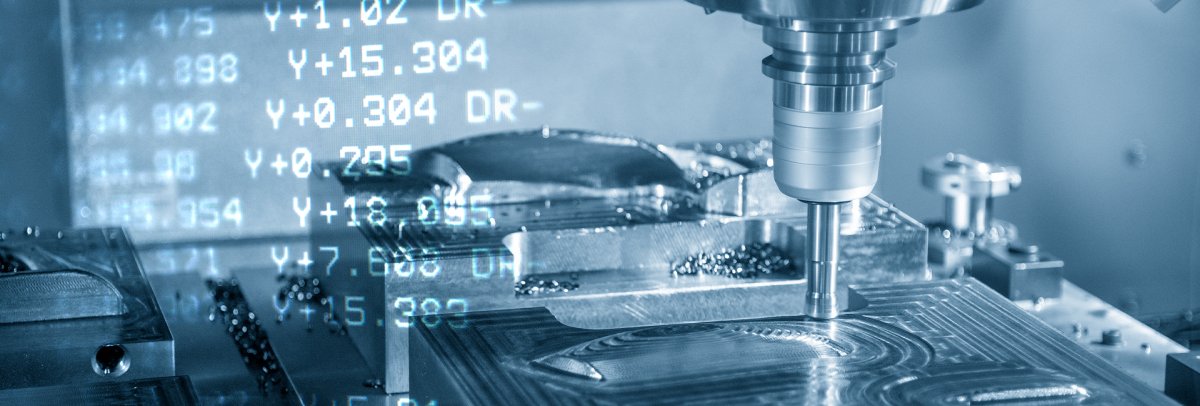
CNC machining is the preferred process for components needing tight tolerances and production-grade materials. Working directly from your CAD files, we manufacture precision parts in engineering plastics and metals — for functional prototypes, tooling, low-volume and end-use production.
Why 3D Prototyping
Our engineers match your geometry, material and tolerance requirements to the optimal process — every time.
Rigorous in-process inspection and post-processing quality checks on every job, regardless of volume.
Production-ready parts delivered rapidly. Expedited options available for urgent prototype requirements.
Our capabilities
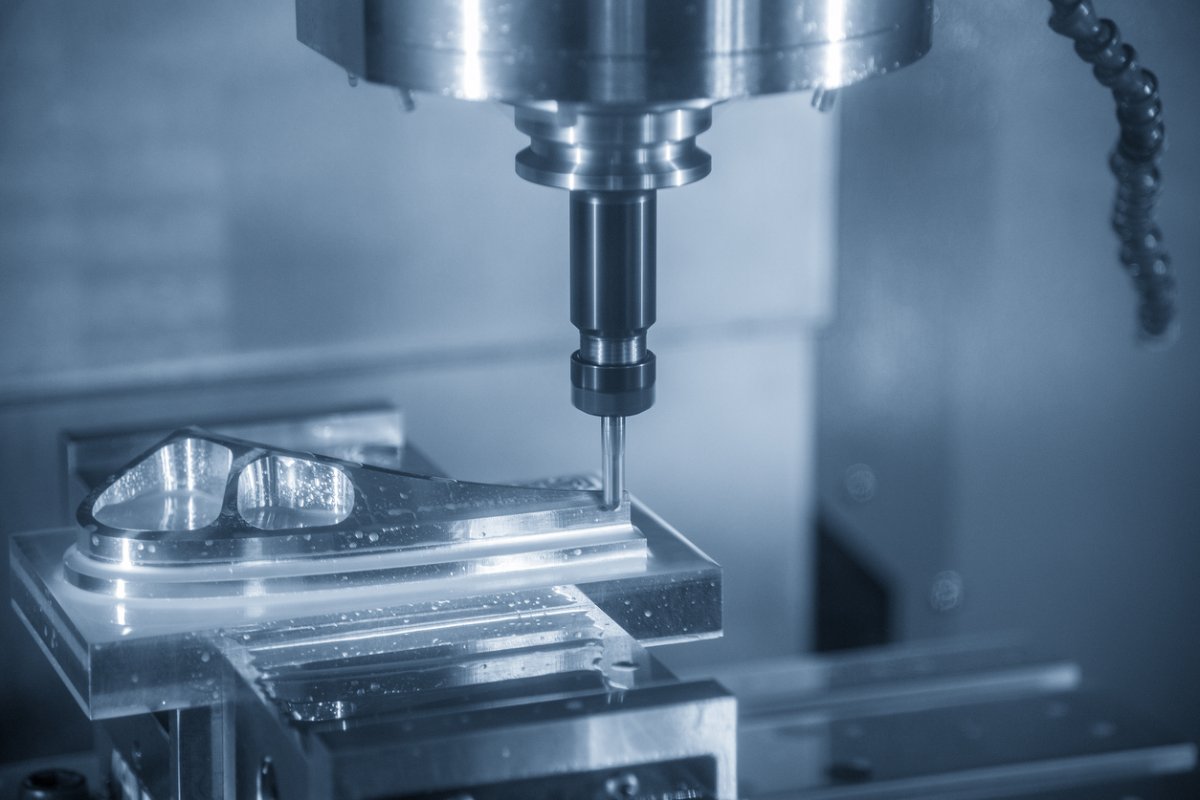
Our CNC machining centres handle prismatic, asymmetric and multi-featured components — pockets, slots, contoured surfaces, precision bores and faced datums — in metals and engineering plastics, with 3-axis machining as standard and 4- and 5-axis available for complex geometries. Tight tolerances are held on critical features, with tighter limits available on request. Milling suits brackets, housings, manifolds, mould cores and fixture plates — from one-off functional prototypes through to repeat production batches with full dimensional reporting.
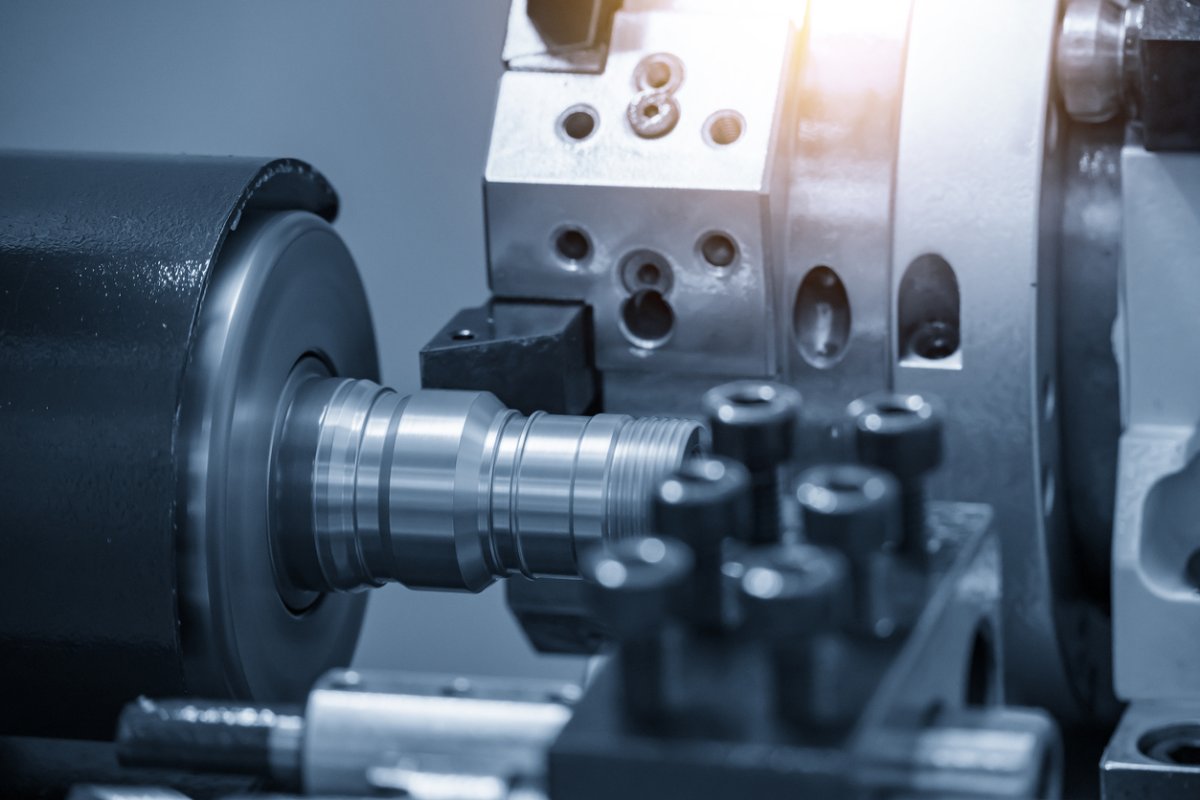
Cylindrical and rotationally symmetric parts — shafts, bushings, spacers, fittings and threaded components — are produced on CNC lathes capable of cross-drilled and milled features in a single setup. Tight diameter tolerances and excellent as-turned surface finishes reduce or eliminate the need for secondary grinding. Metric and imperial threads are cut to gauge, and concentricity-critical parts are inspected against your datum scheme before dispatch.
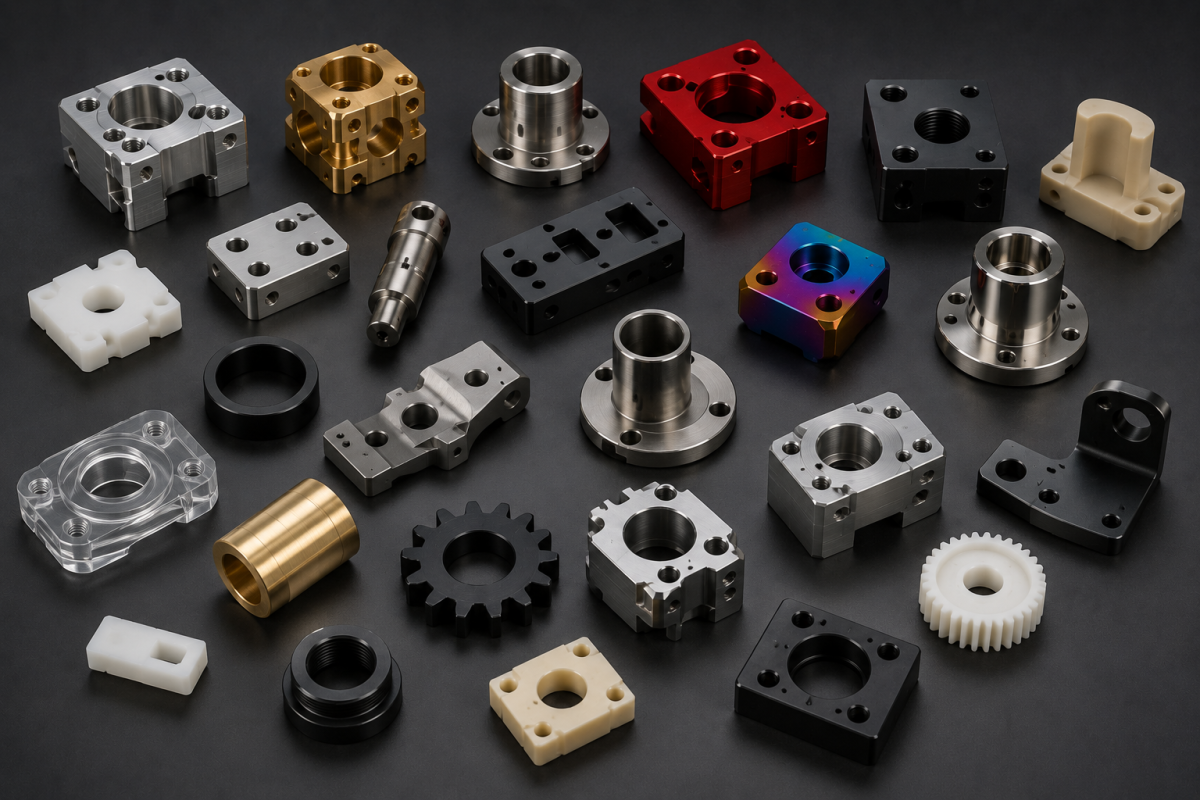
We machine engineering plastics including ABS, polycarbonate, PMMA, nylon and glass-filled nylon, alongside aluminium 6061 and 7075, carbon steel and 304/316 stainless. Material certificates are available where traceability is required. Finishing options include anodising, zinc plating, powder coating, bead blasting and engraving — so parts arrive colour-matched, corrosion-protected and ready for assembly.
Tell us what matters most — we will point you in the right direction instantly.
No jargon, no surprises. Here's exactly what happens after you make contact.
We work with engineers, designers and procurement teams across Australia every day.
“I would highly recommend Pratik at 3D Printing — with his analytical mind he helped re-engineer a component for an electric scooter. The final design was cost effective, strong and an exact fit.”
“Can’t speak more highly of this Company. They overcame many difficulties through their tenacity and patience. I highly recommend this company for any 3D prototyping, design or development of your idea.”
“Great service, quick turnaround — I needed parts scanned, a couple of design changes and printed. All done quickly, efficiently and A+ quality. Definitely recommend the team at 3D Prototyping. They really do know their stuff!”
“It was a pleasure dealing with 3D Prototyping. They are professional and their customer service is excellent. I would recommend these guys any time over any other players in this industry.”
“This Company is good, efficient and easy to deal with. Their advice and knowledge around materials really helped us get what we needed. Great service provided. We will certainly use this company again.”
Our engineers review every enquiry personally. Upload your CAD file for a detailed quote, or send a brief description and we'll respond within 2 business hours.
We respond within 1 business day • No obligation quote
We accept STL, STEP, STP, OBJ, IGES, and 3MF. STL is preferred for most processes. If your file is in another format, upload what you have and our engineering team will assess it.
Standard lead times depend on the technology, part complexity, and production method. They range from 3–5 business days for prototypes to 8–10 weeks for injection-moulded parts. Accurate lead times are provided with every quote.
Build envelopes vary by system: SLA up to 800×800×550mm; SLS up to 360×360×420mm; MJF up to 380×380×280mm; SLM up to 450×450×500mm; FDM up to 1000×1000×1000mm. Oversized parts can be split and bonded — contact us for a feasibility review.
There is no minimum order quantity. We regularly produce single prototypes through to production runs of thousands of parts. Pricing scales with volume — ask us for a batch quote.
Yes. We offer media blasting, dyeing, priming, painting, sanding, vapour smoothing, and custom colour matching. All post-processing is handled in-house to maintain full quality control and traceability.
Absolutely. All client files and intellectual property are treated as strictly confidential. We are happy to sign a mutual NDA before receiving your files — just ask.
Yes. We ship to all states and territories across Australia with same-day dispatch for completed orders.
Australia’s production-grade 3D printing and manufacturing bureau. From concept to production — one team, one NDA. Delivering nationwide since 2008.
©2026 All rights reserved
